Traditional Covered Call Strategy: The Cruise Ship
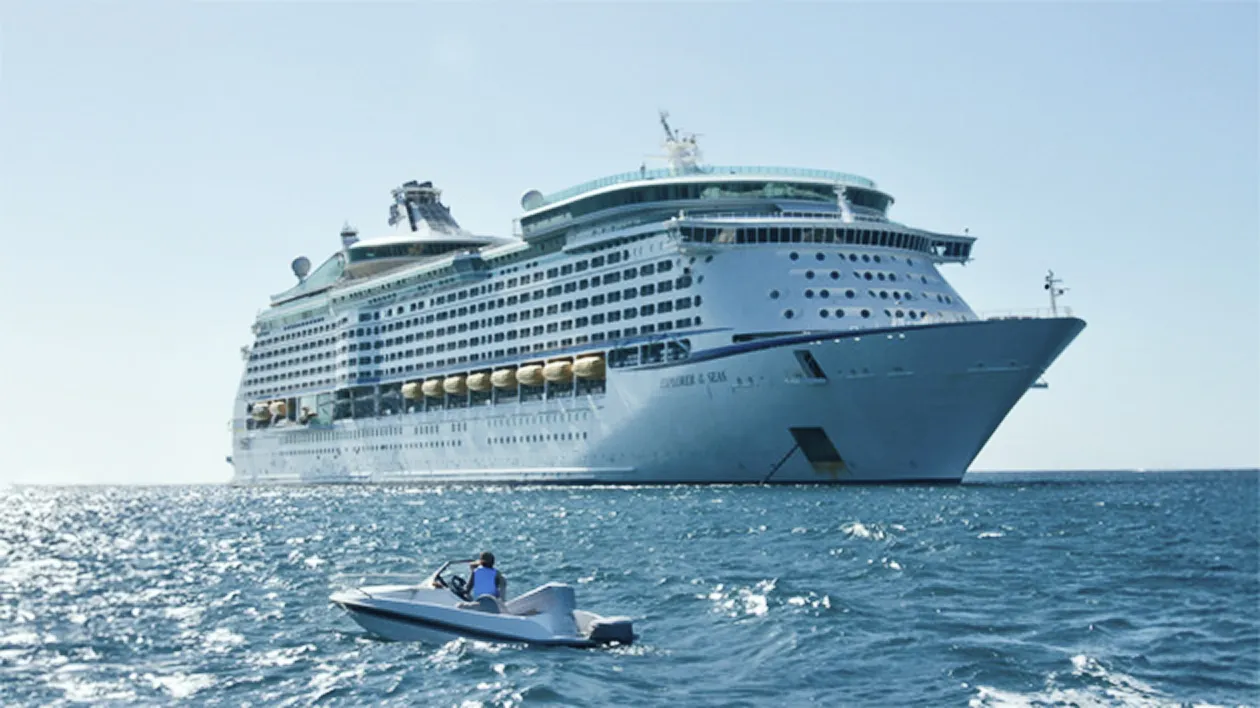
Just like a large cruise ship, a traditional covered call strategy requires a substantial initial asset (the ship)- in this case, a significant holding of the underlying stock. Here's how it works:
Ownership: Just as a cruise ship must be owned to host trips, you must own the underlying stock.
Writing Calls: You write (sell) call options on the stock you own. This is like selling tickets for a voyage, with the expectation that the trip (stock price) won't exceed a certain point (strike price) by the trip's end (expiration date).
Income: The income from selling these call options is similar to the revenue from selling cruise tickets. It's relatively stable and predictable, fitting for the scale of a cruise ship.
Synthetic Covered Call Strategy: The Speedboat
A synthetic covered call is like a nimble speedboat. It doesn't require you to own the cruise ship (the stock) outright to begin your income-generating journey. Instead of owning the stock, the position is built entirely from options:
Using Options: You purchase a long call option, the right to own the stock at a specific price, that acts like a smaller, more affordable vessel.
Writing Calls: You write call options against this position, similar to renting out your boat for tours. This strategy involves less initial capital than owning the stock outright, much like a speedboat costs less than a cruise ship.
Income: The income comes from the premium of the written call options. The flexibility and lower capital requirement make it a quicker, more adaptable way to generate similar returns.
Both strategies aim to generate income through writing call options, but the synthetic covered call builds that position entirely with options rather than stock, offering a way to participate with less capital upfront. The cruise ship offers stability and size, while the speedboat provides flexibility and less capital intensity.
Modern Covered Call Strategy: The Charter Fishing Boat
Now imagine a vessel purpose-built for yield- not just touring the waters, but pulling in income from multiple directions at once. That's the charter fishing boat, and it's how a modern covered call strategy works.
Versatile Investment Options: The charter fishing boat runs tours and fishes- just as this strategy earns through option premiums while also investing in stable, income-generating assets like treasury securities.
Multiple Income Streams:
Option Income: Just as the boat charters tours, you write call options against a long call position, generating income from premiums.
Additional Returns: The fishing gear represents an investment in treasury securities, a steady, reliable catch regardless of what the market is doing.
Flexibility and Diversification: This strategy combines the agility of options with the steadiness of treasuries- a boat that can run sightseeing tours or drop fishing lines depending on conditions, optimizing income either way.
Low Capital Requirement: Like a charter boat that costs far less to own and operate than a cruise ship, this strategy requires less capital than owning stocks outright, while still giving you exposure to both equity markets and fixed income.