
In looking back over our outlook for the second half of the year, we’re encouraged to see our predictions have (mostly) been on the mark. We took a contrarian stance as the third quarter got under way, arguing that “inflation is re-emerging as a big problem with headline CPI running at 4%—and it’s a problem that is likely to only get worse in the next six months.”
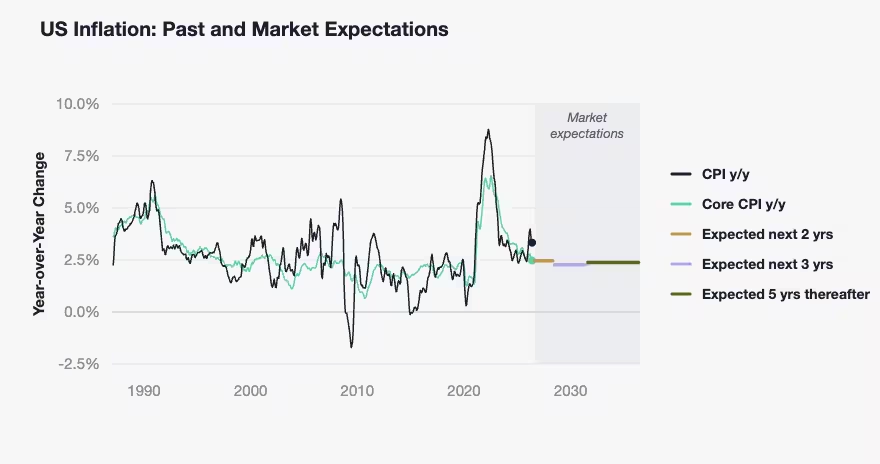
That’s exactly what we’re seeing now. Headline August CPI came in at 0.4% month-over-month, with core inflation rising 0.3%, both exceeding analyst forecasts. At the root of this stubbornly high inflation is energy, of course.
Strait to Higher Inflation and Higher Yields
It’s no surprise why inflation is on the rise. As we noted in our outlook:
The on again, off again Strait of Hormuz crisis is very much on again with the collapse of the ceasefire. Already we’re seeing crude oil rise and that trend could well continue. What helped save the oil market from extreme tightness when Iran first closed the Strait was China’s decision to drastically slash crude imports—a move that required drawing on domestic stockpiles. That may not be feasible this time around.
West Texas Intermediate was under $70/barrel when we wrote that—today it sits just shy of $93.
Energy spikes, the Wall Street Journal’s Greg Ip observes, come in two rounds. The initial impact is to headline inflation as fuel costs increase. The second, he notes, “is slow and subtle. As costlier fuel works its way into other products and services, “core” inflation, which excludes food and energy, comes under upward pressure."1
That’s where we’re at today. Headline inflation keeps rising to reflect near-term oil prices, but core is gaining steam as the lagged effects of prior energy moves feed through the U.S. economy.
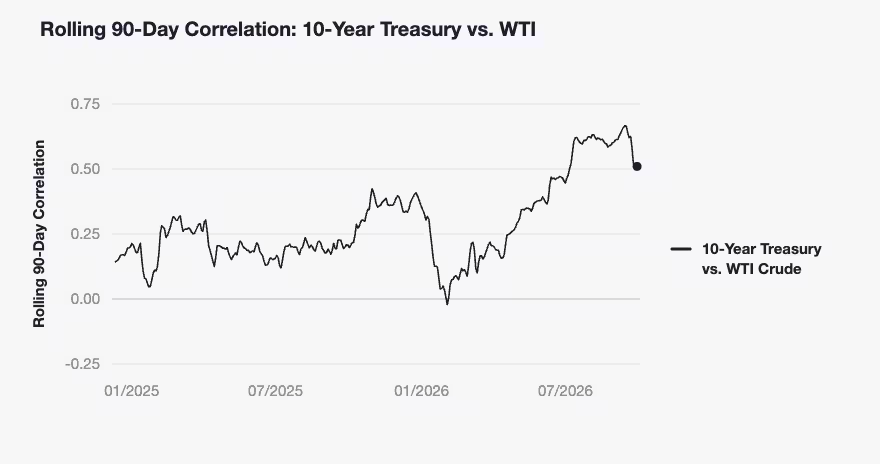
Crude, meanwhile, is driving the bus when it comes to the bond market—validating our prediction that, “long-term yields will continue their ascent”. Granted, we were a bit off the mark on our short-term rates call, believing that the Fed would stay on the sidelines. They hiked in September and the market is now pricing in a further 100 basis points of tightening for the next 12 months.
We were right with our gold call (bullish) at the outset of the third quarter. And we were correct to remain optimistic about tech outperforming as the sector delivered robust earnings. However, we foresaw a weaker labor market and that did not come to pass.
Looking Ahead to the Fourth Quarter: Will the Fed Keep Up with the Curve?
What does the fourth quarter likely have in store for markets?
Short-end of the Curve: A lot will depend on whether the Fed is successful in hiking rates to tame inflation, or whether it’s behind the curve (literally). In either scenario, we continue to believe investors are better served owning the short-end of the curve via the Kurv Enhanced Short Maturity ETF (LQID). The difference between long-and short-term Treasurys is a paltry 1%, which we don’t think is a sufficient term premium given the possible risks to owning duration. That said, at 5% we do believe you can tactically trade the 10-year Treasury.
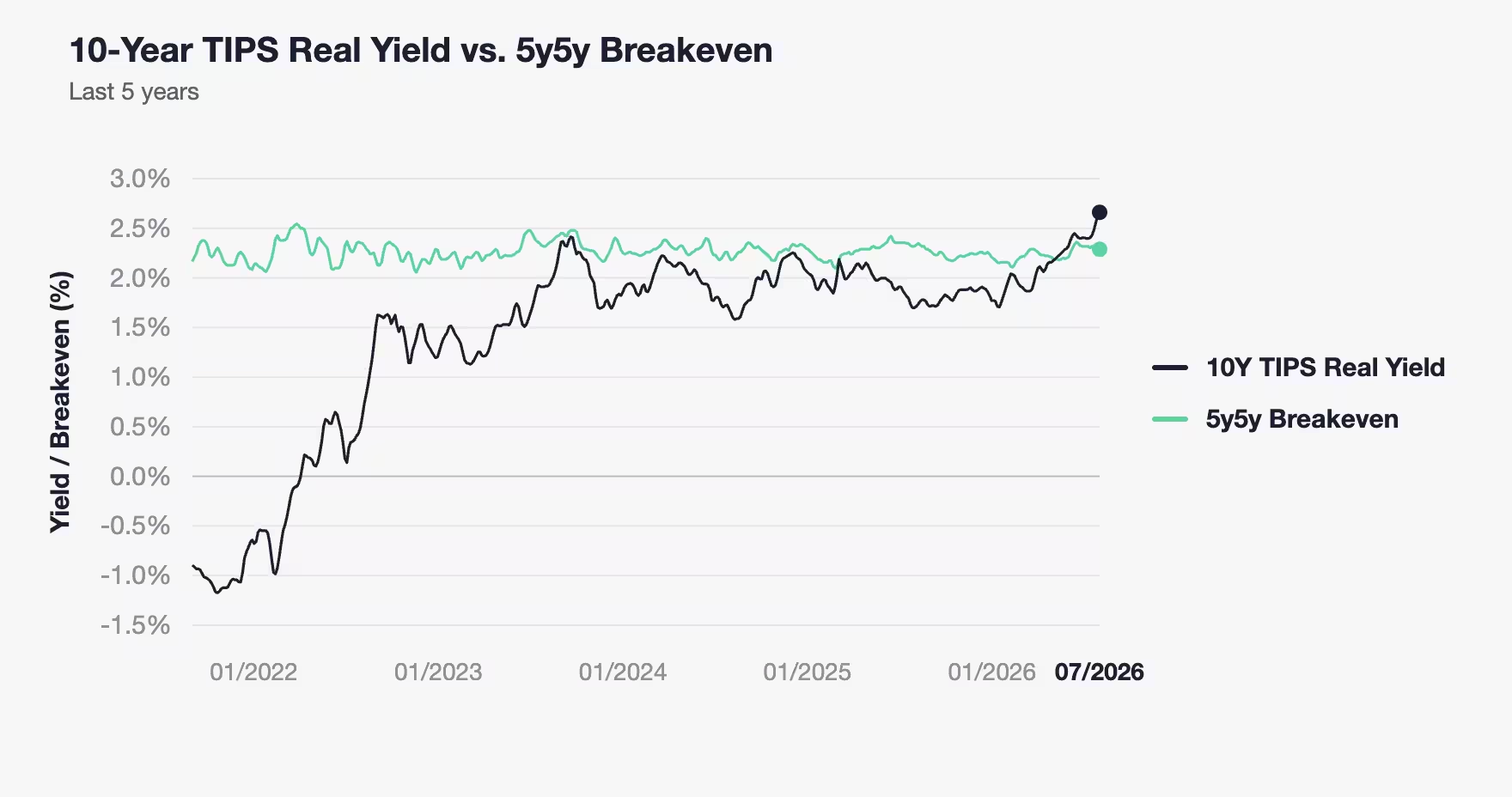
TIPS: Thus far, the rise in the nominal 10-year Treasury yield has not been from an increase of inflation expectations, but rather a rise in real yields. The market is expecting, in our opinion, a relatively high real growth with the belief that the Fed is able to maintain 2-2.5% inflation in the next 10 years. TIPS look attractive from this point on.
Inflation Hedge: If the Fed can dampen inflation while productivity stays high, the market is right in that’s a recipe for strength in equities. But if the Fed is behind the curve and stagflation is the result, that may present a headwind for most risk assets although gold should do well as real rates decline—benefiting the Kurv Gold Enhanced Income ETF (KGLD). Higher inflation may not be a significant problem for large-cap tech equities as many of these firms have substantial pricing power and can pass through cost increases.
With regard to the Fed, we may see a situation where rate hikes fail to have a significant impact on inflation. They can raise rates but cannot print barrels of oil, so a supply driven inflation shock can render monetary policy somewhat less effective (unless the central bank is willing to absolutely crush demand). Supply destruction has already occurred as refineries have had to shut down, even if traffic in the Strait began to normalize.
Either way, a higher-for-longer Fed tightening cycle should eventually weigh on economic growth, even if it fails to meaningfully reduce inflation.
We’re watching credit with a keen eye given rising energy prices and large amounts of AI-related issuance. So far there’s no evidence that default rates are a problem, but when the cracks start to appear we’d suggest both investment and high-yield spreads could seriously widen.
Finally, no outlook for this quarter would be complete without mentioning the upcoming midterms. We won’t make a prediction on the politics but will simply observe that there are vol sellers aplenty right now, helping to keep the VIX low. As we enter the fall months, which are often marked by heightened volatility, we would not be surprised if those betting on continued calm are in for a rude awakening.
1 Wall Street Journal, Round 2 of the Oil Shock is Coming, September 22.